Private, Secure, and Confident Personal Automations


Today we dive into privacy and security best practices for personal automations, exploring the habits, safeguards, and design choices that keep your data protected without sacrificing convenience. From tokens and webhooks to logs and backups, you’ll learn practical steps, real stories, and gentle guardrails. Share your experiences, ask questions, and subscribe to keep refining your trusted routines.

Start With a Practical Threat Model
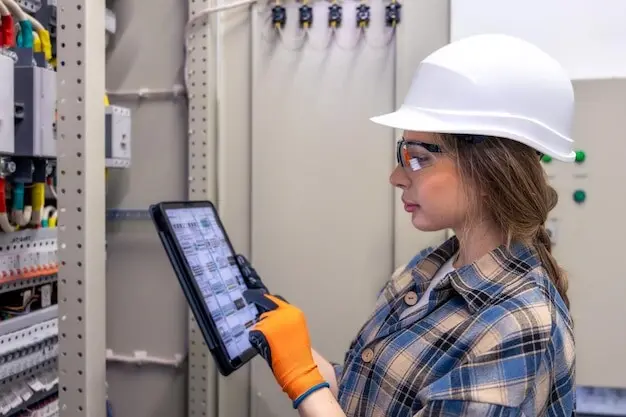
Before adding another shortcut, routine, or webhook, step back and understand what could go wrong, who might care, and which data truly matters. A simple, living threat model guides better daily decisions, prevents overconfidence, and highlights small improvements with outsized impact. Treat it as a friendly map that evolves as your automations and life change.

Guard Secrets Like Critical Infrastructure

Tokens, API keys, passwords, and certificates are the crown jewels of your automations. Treat them with discipline: vault them, scope them, rotate them, and monitor their use. Many painful incidents begin with one exposed key in a script or repository. Build rituals that make safe handling automatic, boring, and beautifully reliable.

Design for Less Data, Safer Outcomes

Convenience thrives when it respects privacy. Start with data minimization: only collect, process, and store what is necessary for each automation to function. Favor on‑device processing, ephemeral storage, and clear deletion timelines. Replace full payloads with summaries, redact personal identifiers, and provide yourself transparency so trust remains intact over months and years.

Collect Only What You Need, Redact the Rest

Map each field to a purpose. If a phone number or exact GPS coordinate is not essential, drop it or hash it. Replace bodies of emails with subject lines, totals, or structured tags. Mask sensitive segments before logging. These small, surgical edits dramatically reduce risk while preserving useful automation behavior and insights.

Prefer On‑Device and Local Processing

Where possible, run filters, classification, or summarization locally using device capabilities or privacy‑preserving frameworks. Limit cloud roundtrips for routine tasks. If you must call external services, send the smallest payload and strip metadata. Local processing often feels faster, keeps control close, and prevents quiet data drift into places you never intended.

Retention, Consent, and Clear Notices

Set expiration for stored artifacts, from logs to exports, and automate secure deletion. If automations involve other people’s data, obtain consent and explain how information flows. Leave yourself human‑readable notes documenting what is kept and why. Transparency sharpens your judgment, fosters accountability, and reduces uncomfortable surprises when reviewing history later.

Harden Networks, Devices, and Runtimes

Segment and Isolate Automation Traffic

Create a separate Wi‑Fi or VLAN for smart devices and self‑hosted nodes. Deny lateral movement by default, then explicitly allow needed paths. Use a simple firewall profile with outbound rules that match required destinations. Isolation ensures a compromised gadget cannot snoop on personal files or pivot toward sensitive accounts powering your routines.

Patch, Minimal Services, and Safe Defaults

Enable automatic updates for operating systems, runtimes, and dependencies. Remove unused packages, turn off default admin interfaces, and change factory credentials immediately. Prefer containerized services with read‑only filesystems where feasible. These housekeeping habits neutralize common exploits and close doors you never meant to leave open in the first place.

Encryption Everywhere, Sensible Key Handling

Use TLS for all remote calls, validate certificates, and avoid plaintext protocols. Encrypt disks on laptops and servers. Backups should be encrypted before they leave your device. Maintain distinct keys for staging and production automations. When exporting configurations, scrub embedded secrets to prevent accidental disclosure during troubleshooting or community sharing.

Trust Integrations, But Verify Everything

Webhooks, APIs, and third‑party connectors expand what your automations can do, yet introduce new doors and assumptions. Validate inputs, verify signatures, limit scopes, and sanitize outputs. Treat every external response as untrusted until proven otherwise. This mindset stops opportunistic abuse, accidental data exposure, and subtle logic flaws that slip past enthusiastic prototypes.

See Problems Early, Recover Gracefully

Great privacy and security shine when things go wrong yet remain contained. Invest in meaningful logs, safe testing, and easy rollback. Aim for alerts that inform rather than overwhelm. Backups and version control convert anxiety into confidence, letting you iterate boldly while retaining the option to reverse missteps in seconds.

Privacy‑Respecting Logs and Alerts

Capture just enough detail to debug without storing secrets or personal messages. Replace sensitive fields with hashes or tokens. Set rate‑limited alerts for failures, permission denials, or unusual volumes. Reviewing concise, sanitized logs quickly reveals patterns while honoring boundaries you set for yourself, family, collaborators, and future you.

Test Safely With Dry Runs and Canaries

Use staging inputs, synthetic payloads, and dry‑run modes before touching live data. Introduce canary tokens or harmless decoys to detect unexpected exfiltration. Schedule small chaos drills to confirm graceful degradation. Testing rituals transform scary unknowns into predictable behavior, making every new automation feel reliable, reversible, and surprisingly stress‑free.

Backups, Versions, and One‑Click Rollback

Export configurations, maintain version history, and keep encrypted copies offsite. Document restoration steps so recovery is calm, not improvised. When experimenting, branch or duplicate flows to preserve stable baselines. If something misfires, rollback should take moments, not hours. Share your favorite backup tricks below and inspire safer creative experiments.

Novikirazoripentozera
Privacy Overview

This website uses cookies so that we can provide you with the best user experience possible. Cookie information is stored in your browser and performs functions such as recognising you when you return to our website and helping our team to understand which sections of the website you find most interesting and useful.